
Battery backup built for the AI rack era.
VoltBridge designs and manufactures BBU battery backup units that bridge power excursions in milliseconds — rack shelves, in-server modules and ±400V shelves, engineered for GB300-class compute and the grids they outgrow.
One bridge for every layer of the rack.
From per-node modules to whole-shelf backup — same 21700 LFP platform, same BMS telemetry, three deployment depths.
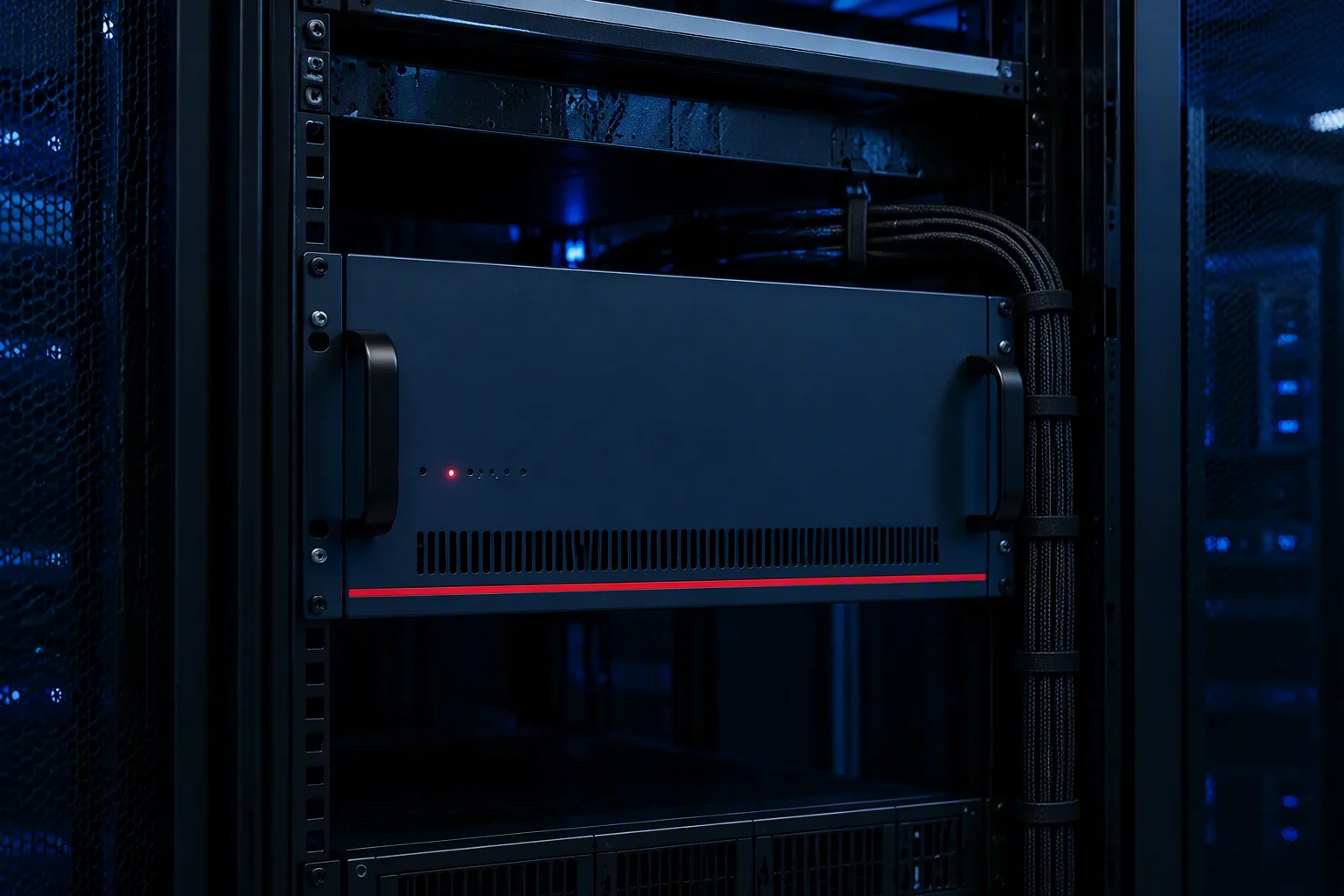
Rack BBU Shelf — 5.12 kWh
19-inch 3U, 51.2V LFP, hot-swap shelves with ≤15-unit paralleling for -48V AI power bays.
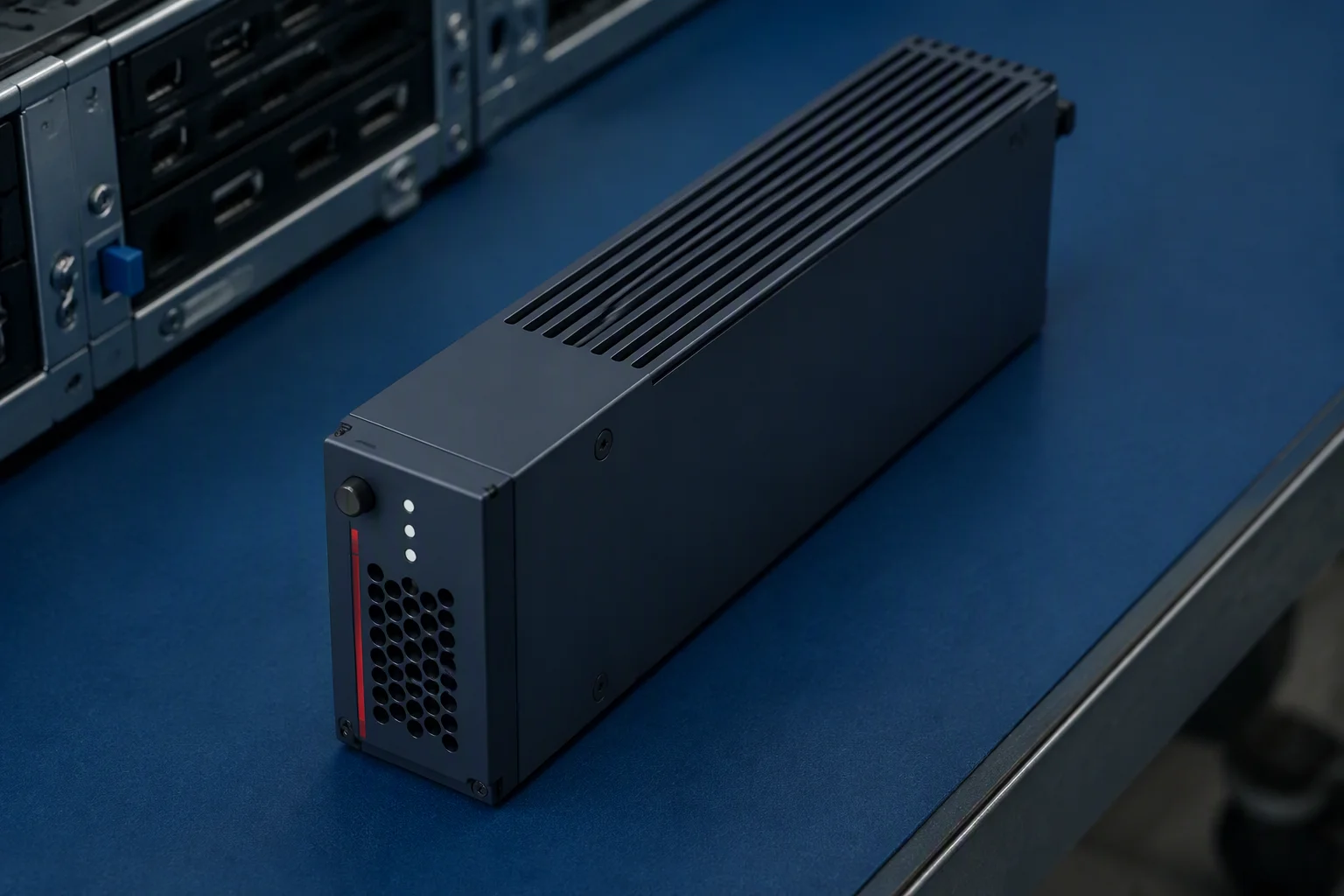
In-server BBU — <1 ms bridge
1U node-level backup with cold-plate compatibility for GB300-class GPU servers.
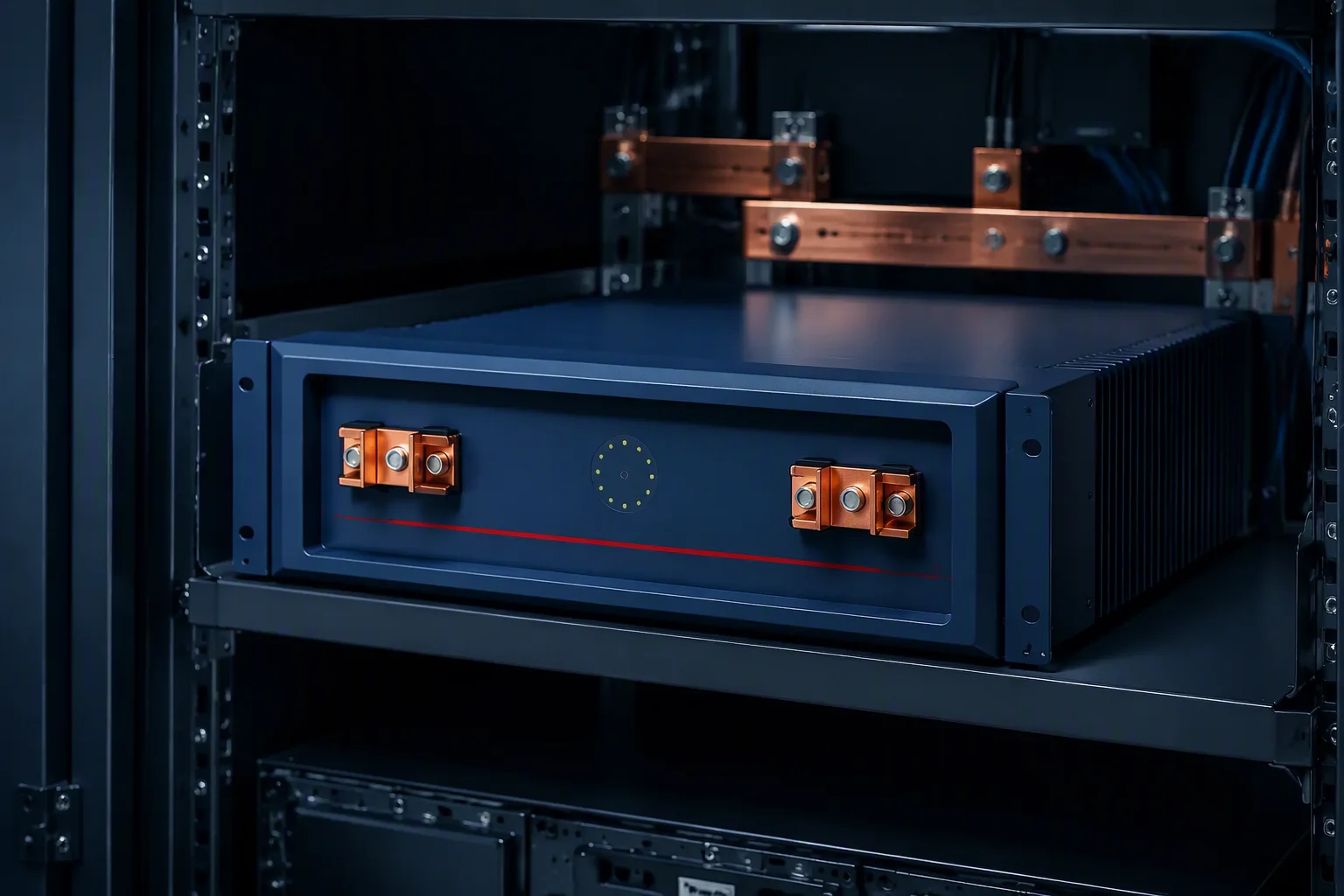
HV BBU Shelf — 800VDC ready
2U high-voltage shelf with ≥97% efficiency class, engineered for the 800 VDC architecture wave.
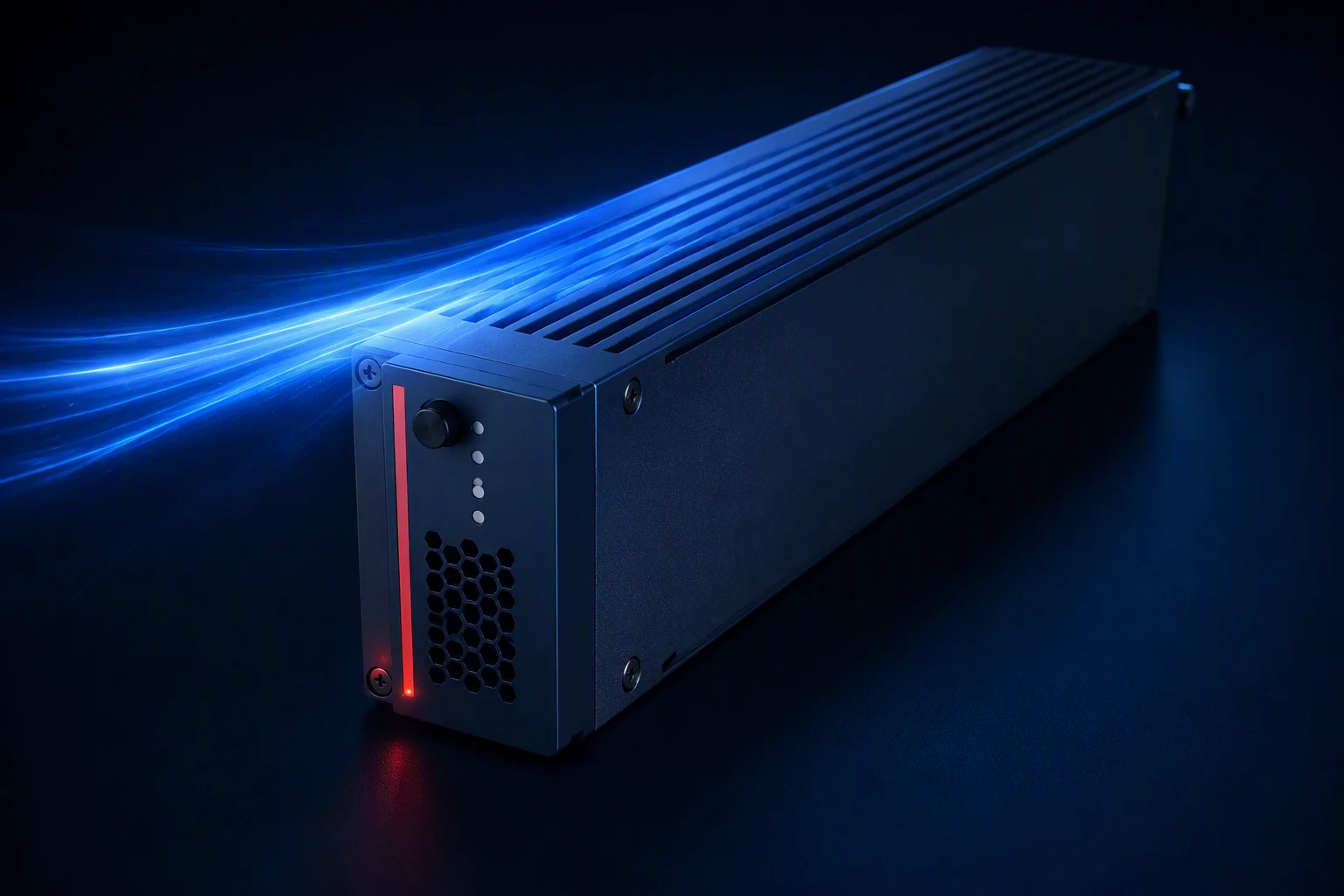
The grid blinks. The rack doesn't.
Meta's Llama 3 run logged 466 interruptions in 54 days of pre-training — 78% hardware-related. VoltBridge BBUs treat every excursion as a bridge event: <1 ms to battery, minutes of ride-through, then a clean handback.
- Sub-millisecond transfer with inrush control on bridge entry
- Ride-through sized to your migration window — not a guess
- Cell-level telemetry streamed over CAN, RS485 or PMBus
- Automatic recharge profile after handback, no manual reset
A bridge event, exactly as logged.
Every VoltBridge unit writes the same record to its event log — detection, transfer, hold, handback. This is a representative readout from a VB-E3 over CAN.
Backup power is moving upstream. We're already there.
NVIDIA has announced an 800 VDC datacenter architecture for its 2027 Kyber-generation racks; Vertiv ships 800VDC products in 2026; Delta already fields a 72 kW ±400VDC BBU. VB-H400 speaks that bus natively.
From RFQ to racks in production.
A straight engineering path — the same one behind every BBU program we run, OEM or VoltBridge-branded.
RFQ & rack survey
Share your rack architecture, load profile and bridge-time target.
Spec definition
We lock capacity, paralleling, comms and compliance scope in one datasheet.
Sample build
Engineering samples from our BMS SMT and PACK line, with test report.
Validation
Your bench or ours: bridging, thermal cycling, telemetry integration.
Pilot run
A first batch under full QC, packed with UN 38.3 transport docs.
Mass production
Scheduled builds with batch traceability and 5-year warranty backing.
Wherever uptime is priced per minute.
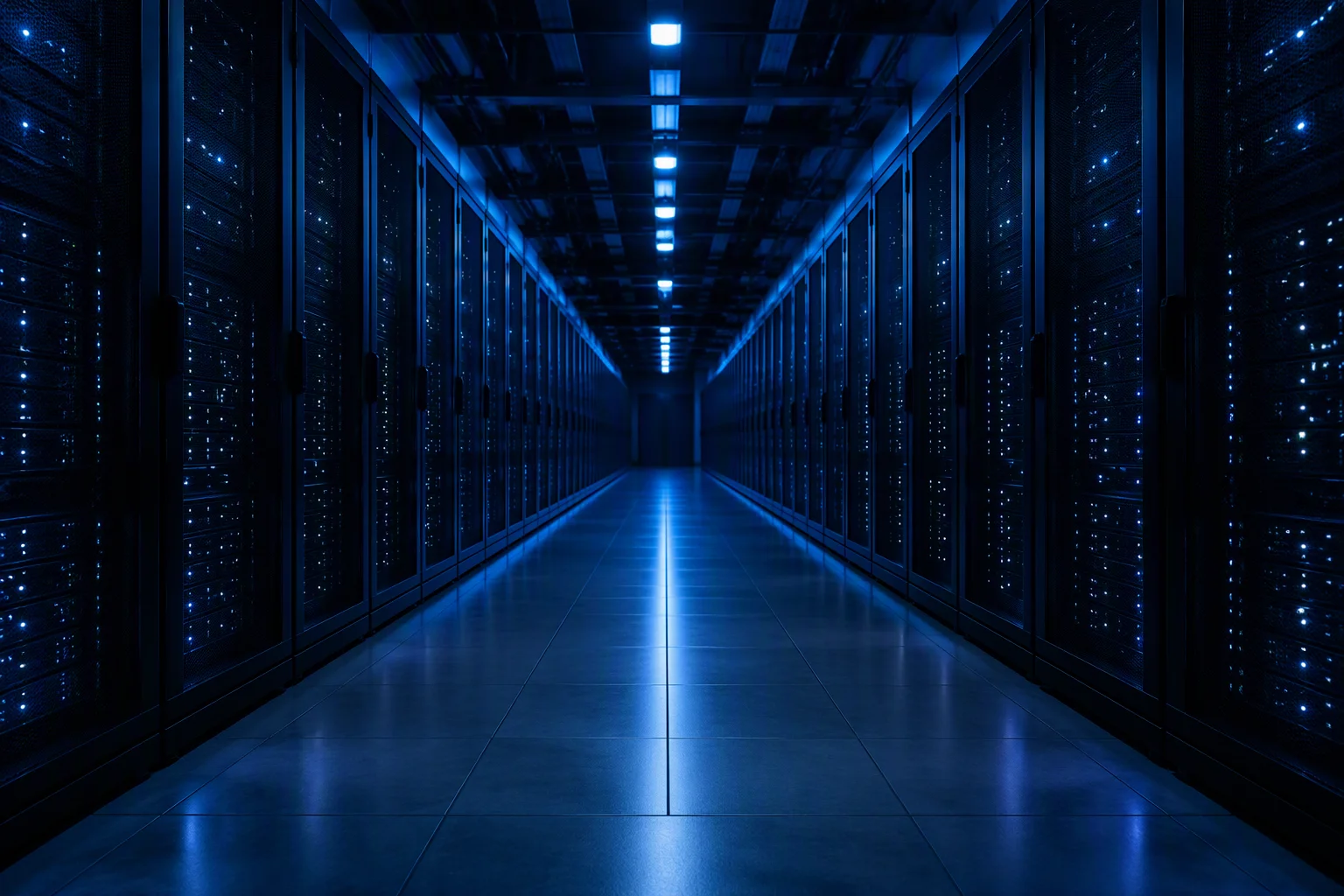
AI Data Centers
GB300-class racks, power excursions, migration windows.
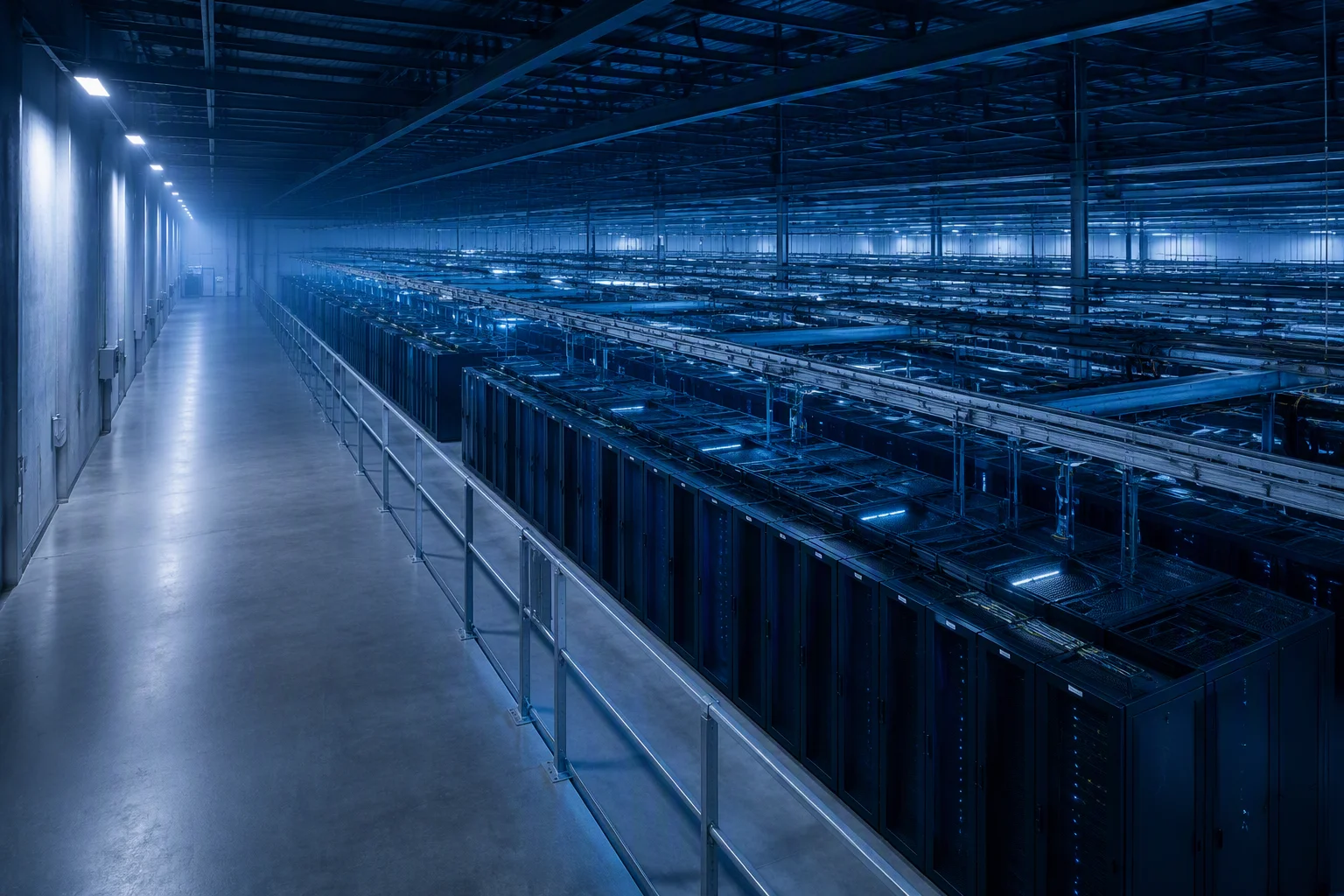
Colocation & HPC
SLA penalties measured per minute — bridge them locally.
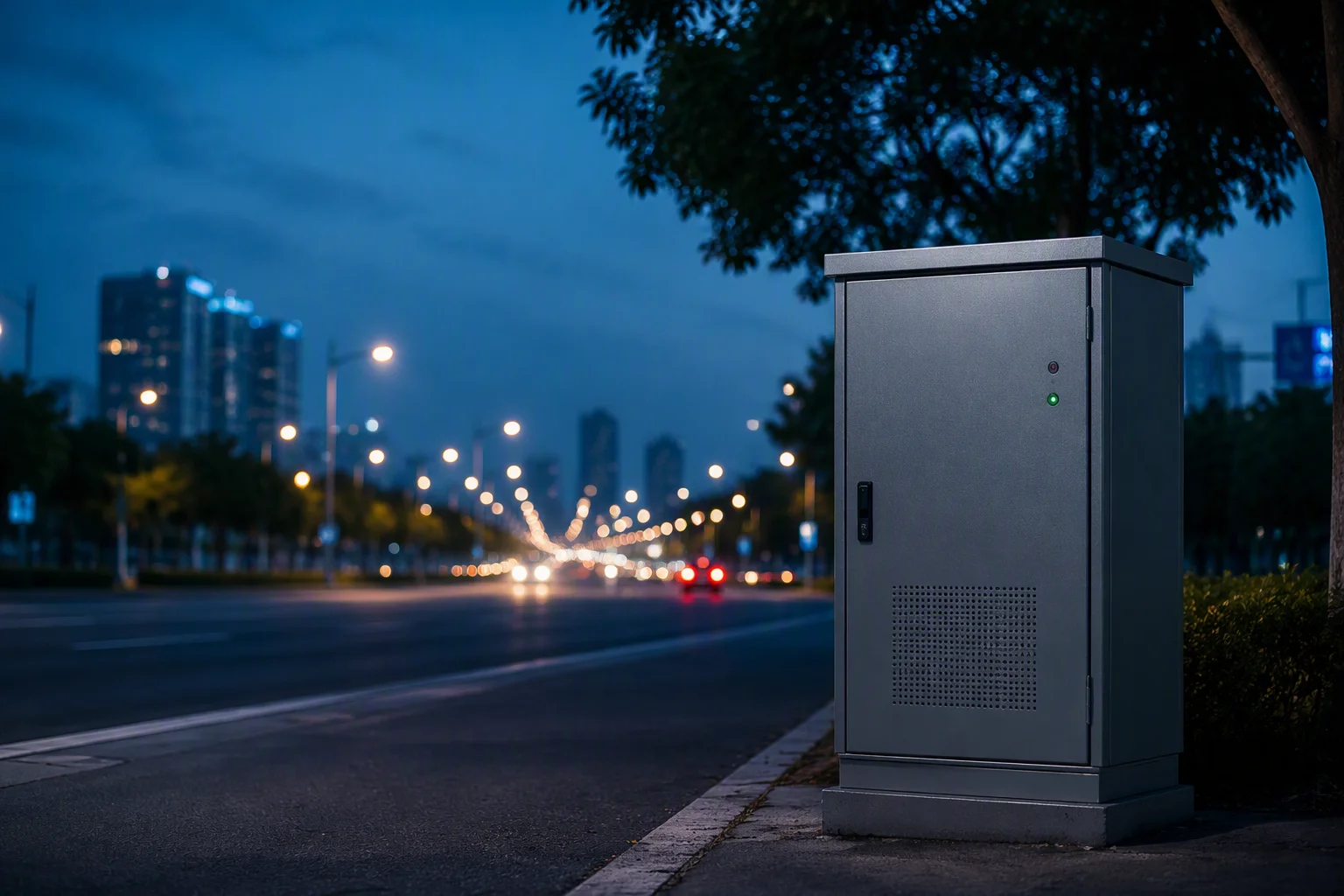
Edge Computing
Unstaffed sites, wide temperature, anti-theft BMS.
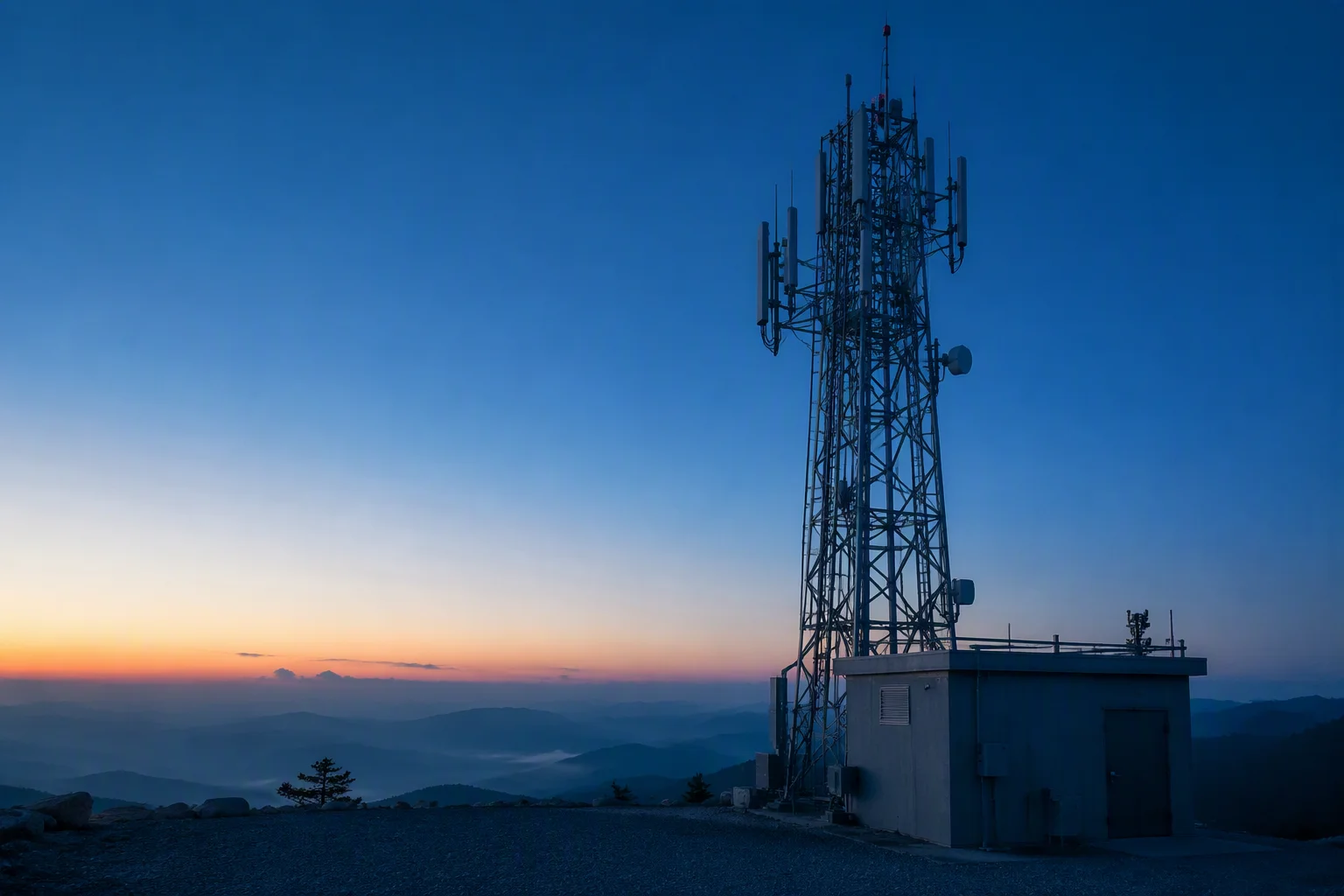
Telecom & 5G
-48V plants per ETSI EN 300 132-2, lithium retrofit at scale.
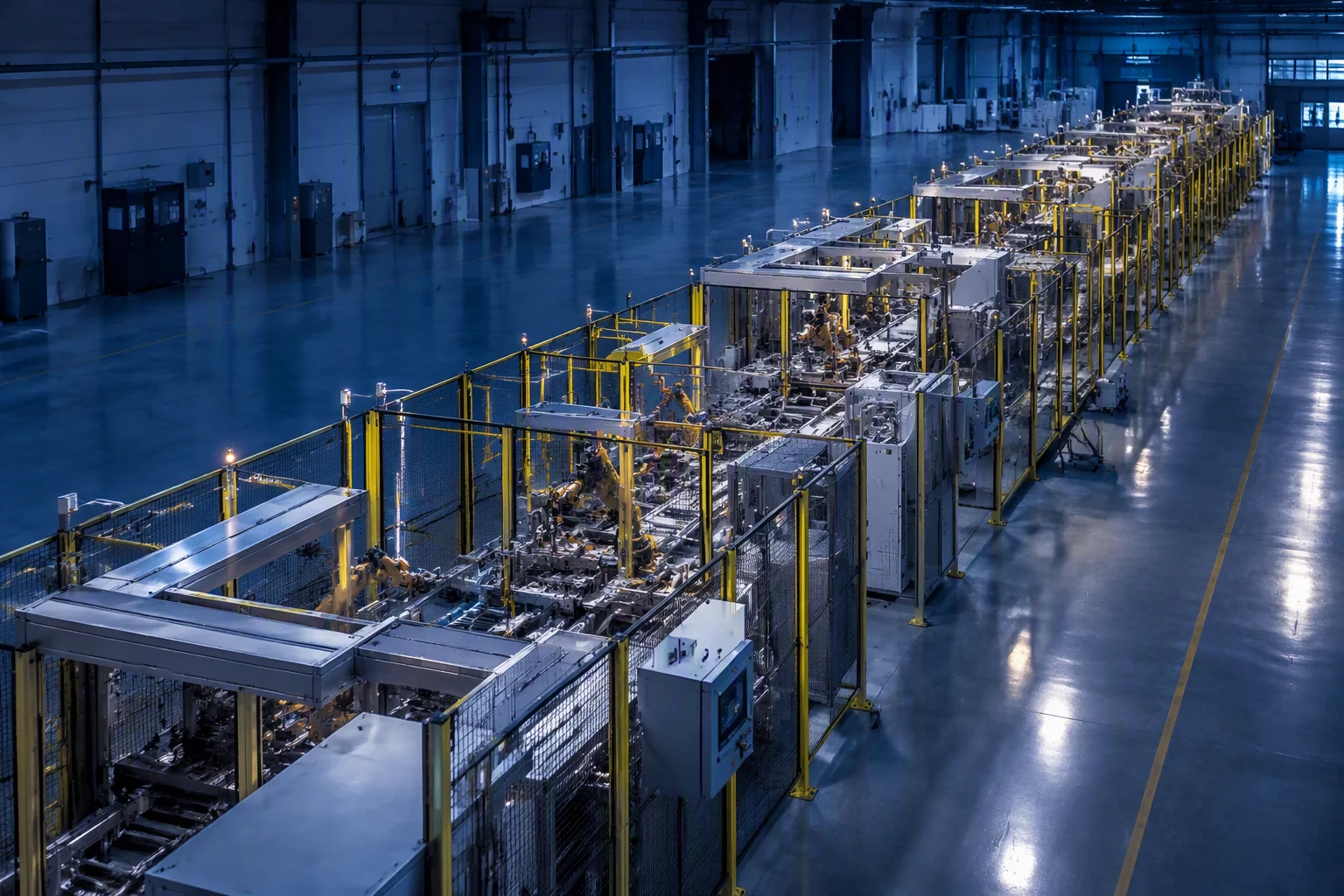
Industrial Automation
Keep PLCs and servos alive through sags and brownouts.
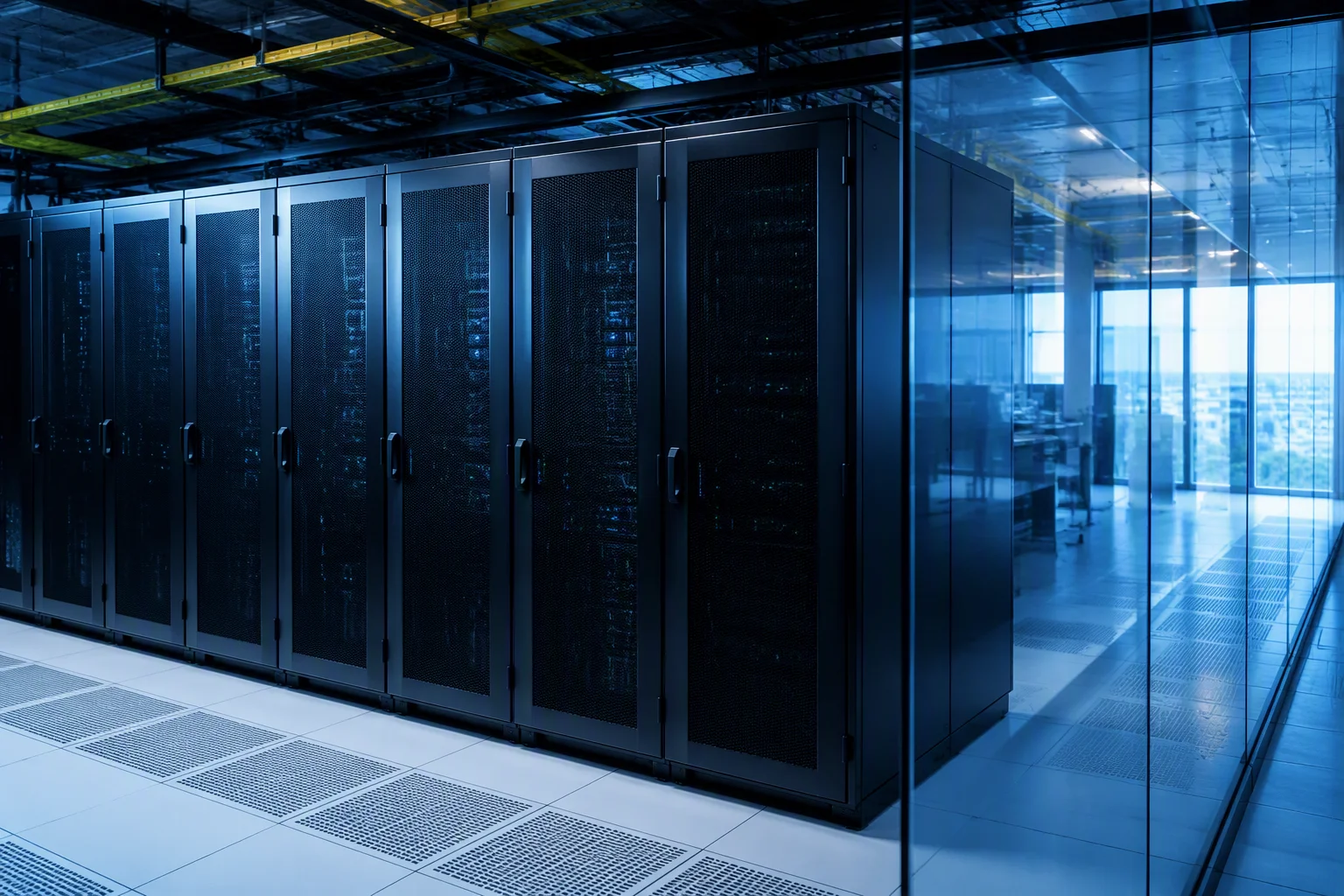
HPC & Research
Campus compute that survives the campus grid.
Tested, documented, export-ready.
What we state is what we can document — test summaries and declarations travel with every shipment.
Before you ask.

Tell us your bridge-time target.
An engineering reply within 48 hours — sizing, compliance scope and a sample plan for your rack.