
The original rack battery market — now going lithium at scale.
Telecom operators invented the -48V DC plant, and they are also its most aggressive lithium converters: China Tower publicly stopped purchasing lead-acid for new sites back in 2018. 5G radios draw roughly 3–4 times the power of 4G per site, and peak-shaving with lithium batteries has been credited with 20–30% electricity savings in tower-company programs. The backup battery is no longer a footnote — it is the energy asset.
Speaks -48V natively.
| Parameter | VB-5125 in the -48V plant |
|---|---|
| Interface standard | ETSI EN 300 132-2 (-48 V DC interface, -40.5 to -57.0 VDC window) |
| Nominal voltage | 51.2V (16S LiFePO4) — floats within the -48V window |
| Chemistry | 21700 LFP, ≥6,000 cycles @25°C to 80% DOD |
| Comms | CAN 2.0B / RS485 Modbus / SNMP to BSC, NOC or tower telemetry |
| Type testing | YD/T 2344.1-2023 (integrated LFP telecom battery) available for domestic projects |
| Temperature | Discharge -20…+60°C; heater option for sub-0°C charging |
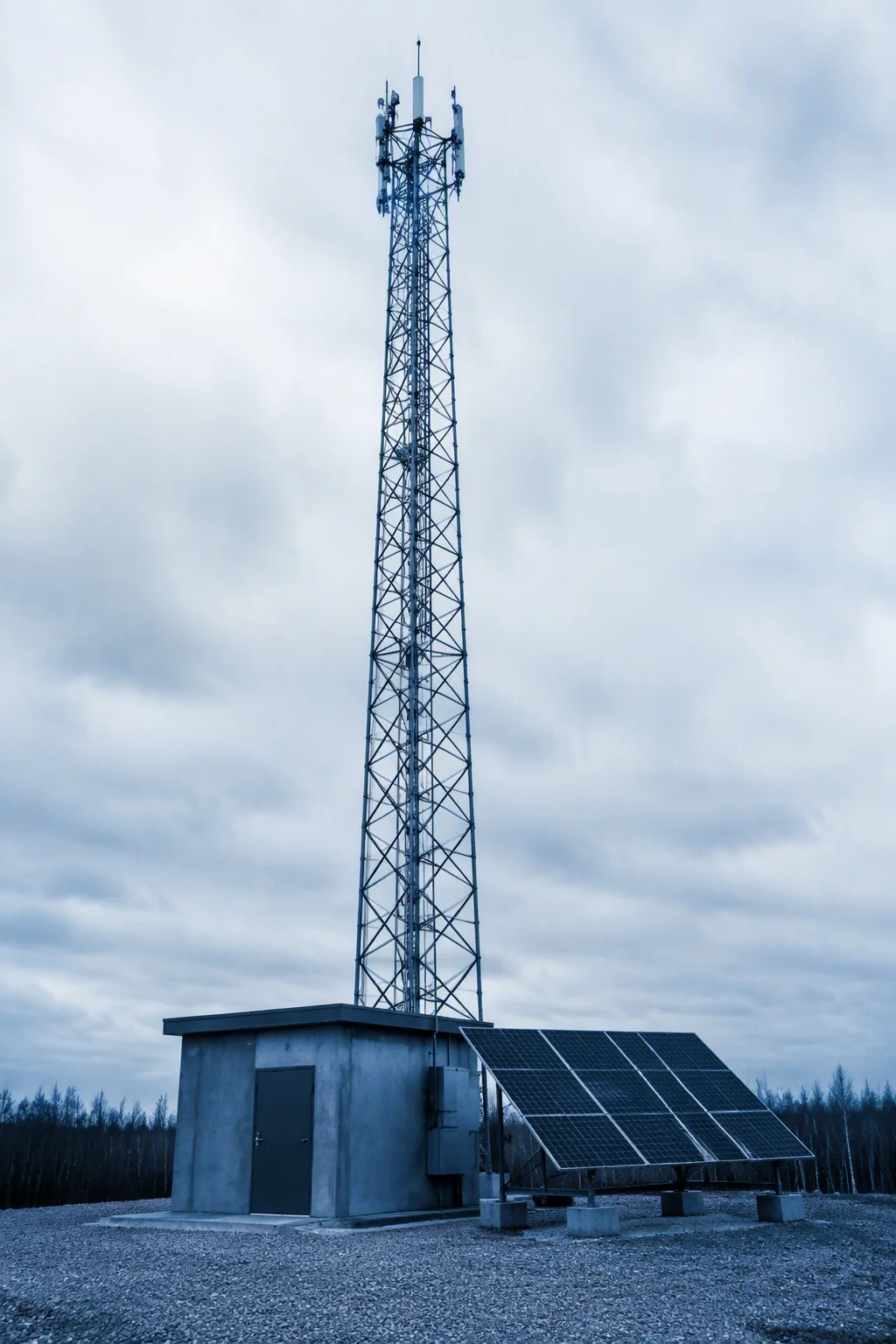
One shelf replaces a lead-acid string — and keeps counting.
A single VB-5125 shelf delivers the usable energy of a large VRLA string at a fraction of the footprint and weight, with cycle life measured in thousands instead of hundreds. Tower crews swap shelf form factors, not chemistry mysteries: same 19-inch rails, same -48V busbar, telemetry included.
- Peak-shaving duty cycles that monetize the battery between outages
- Remote SOC/SOH polling — dispatch trucks with data, not guesses
- Anti-theft BMS options for unmanned shelter sites

Retrofit the plant. Keep the rectifiers.
Send a site list and load profile — we return a per-site shelf count and bridge-time plan.