
Notes from the bridge.
Short, sourced reads on AI rack power — what changes when GB300-class racks standardize on BBU, where the 800 VDC bus takes backup design, and how to read a lithium compliance claim.
Ten sheets, currently issued.
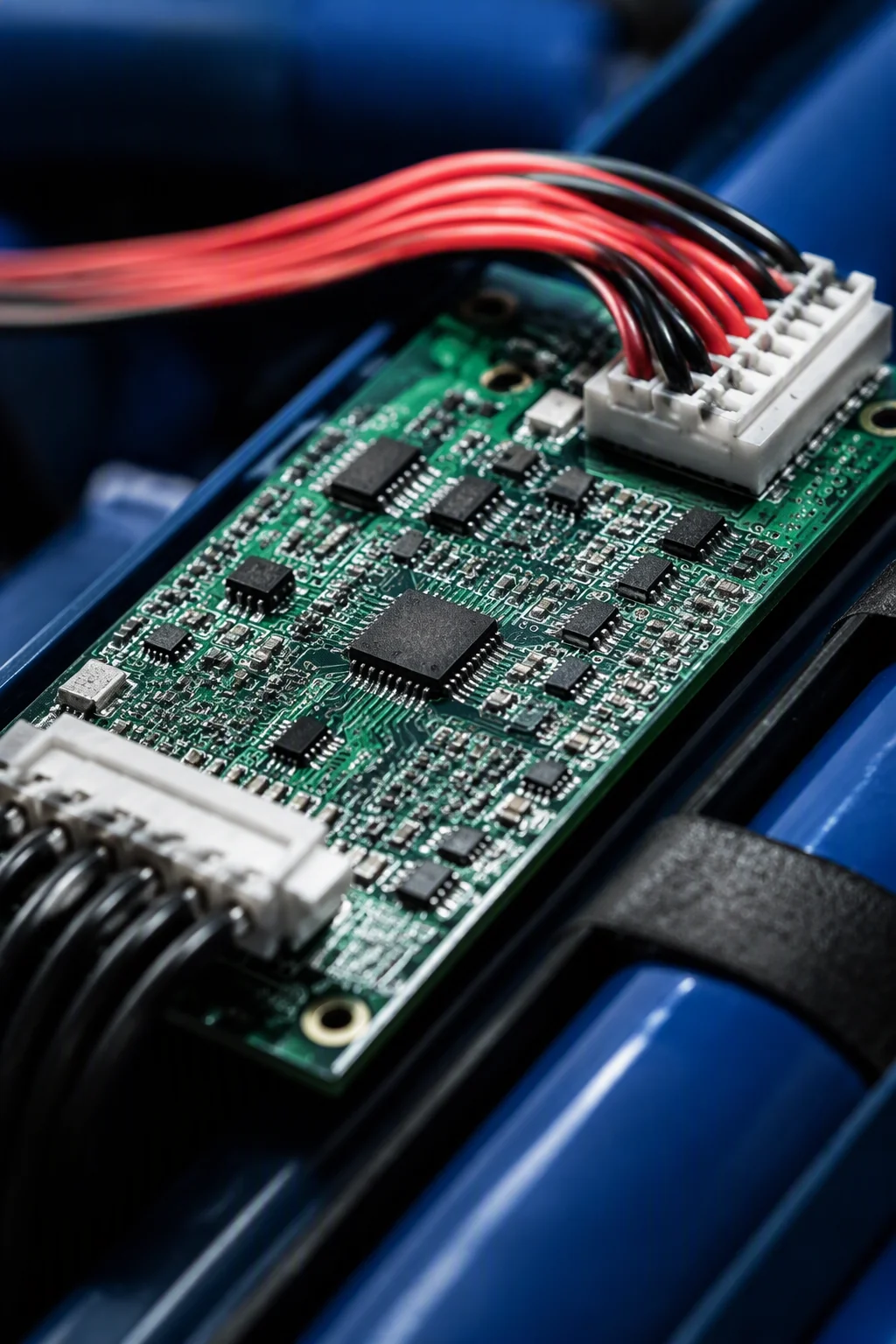
Getting BBU Telemetry into DCIM: CAN, Modbus and What to Poll
A register map is a deliverable, not an appendix. What CAN 2.0B, RS485 Modbus, SNMP and PMBus each carry, how often to poll SOC and SOH, the alarm thresholds that earn a ticket, and the integration mistakes that cost the most.
Read note →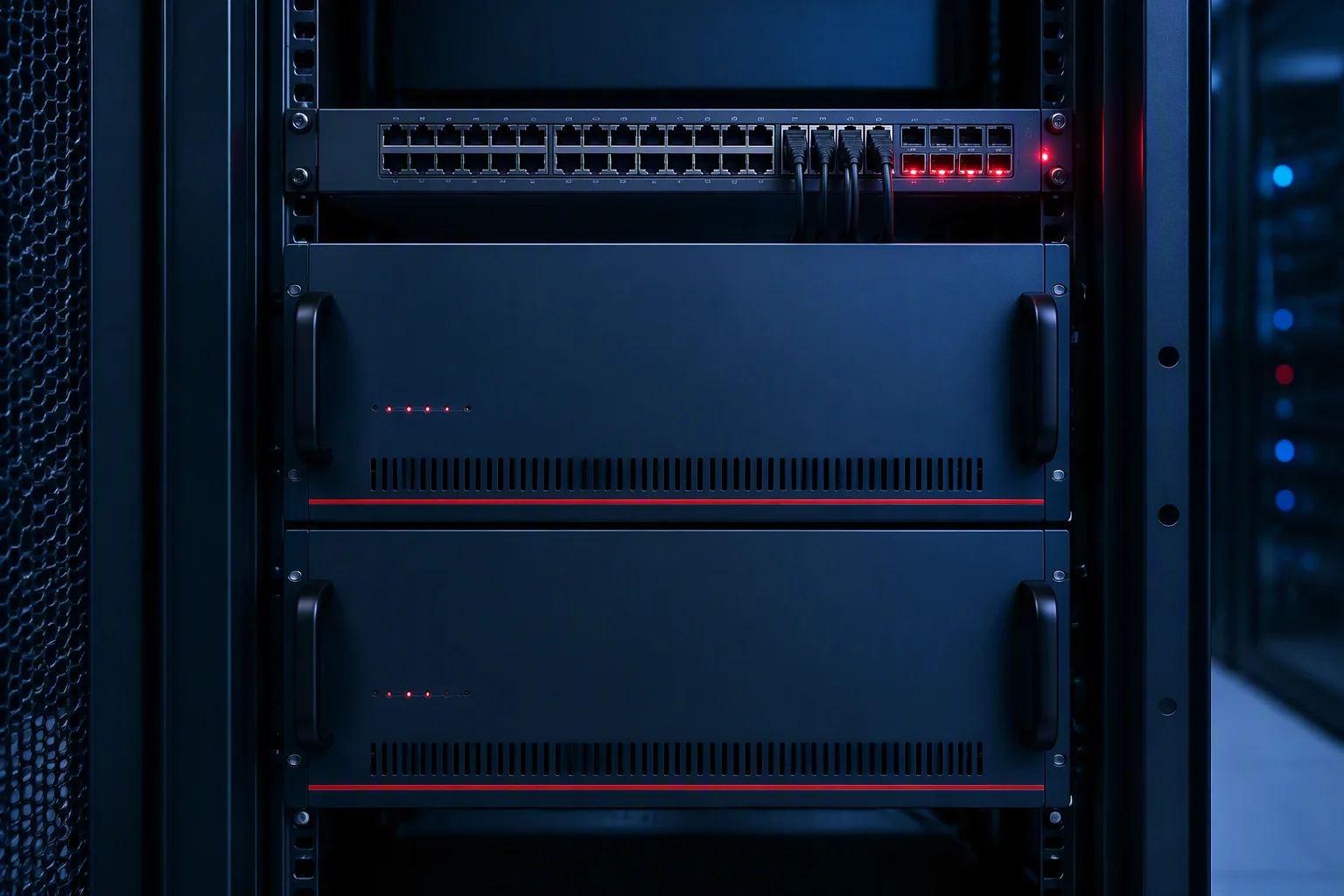
Sizing a BBU for a GB300-Class Rack
Bridge target, measured load, depth of discharge, shelf count — the same four inputs every time. The kilowatt-hour arithmetic worked twice, a reference band from 30 to 80 kW, and the four assumptions a vendor sizing table usually leaves out.
Read note →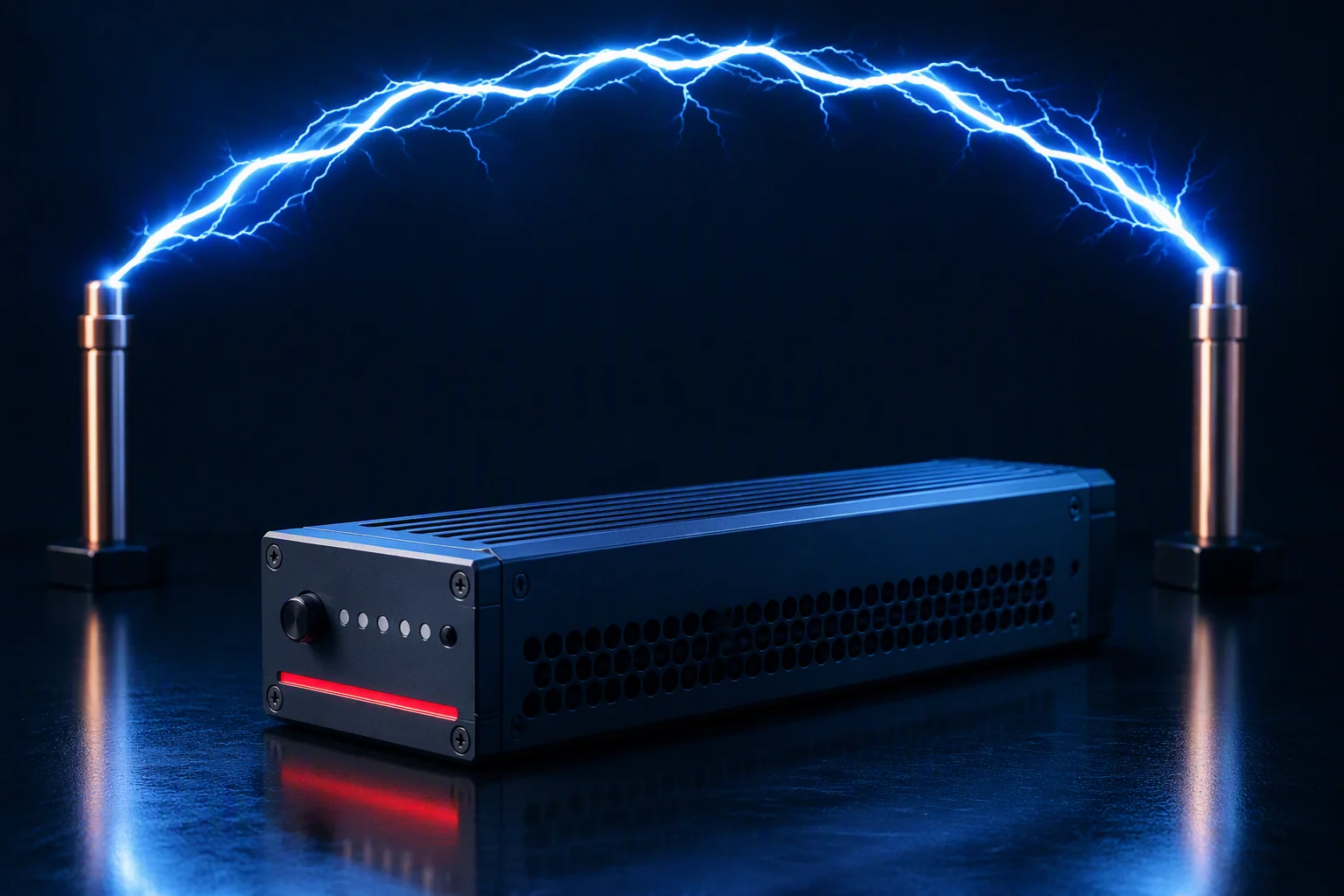
BBU and the Generator: Ride-Through vs Bridging
The battery covers the transfer window so the generator never has to be sized for a step load — and stops there. Where the two systems overlap, where they do not, and the four coordination failures worth designing out before commissioning.
Read note →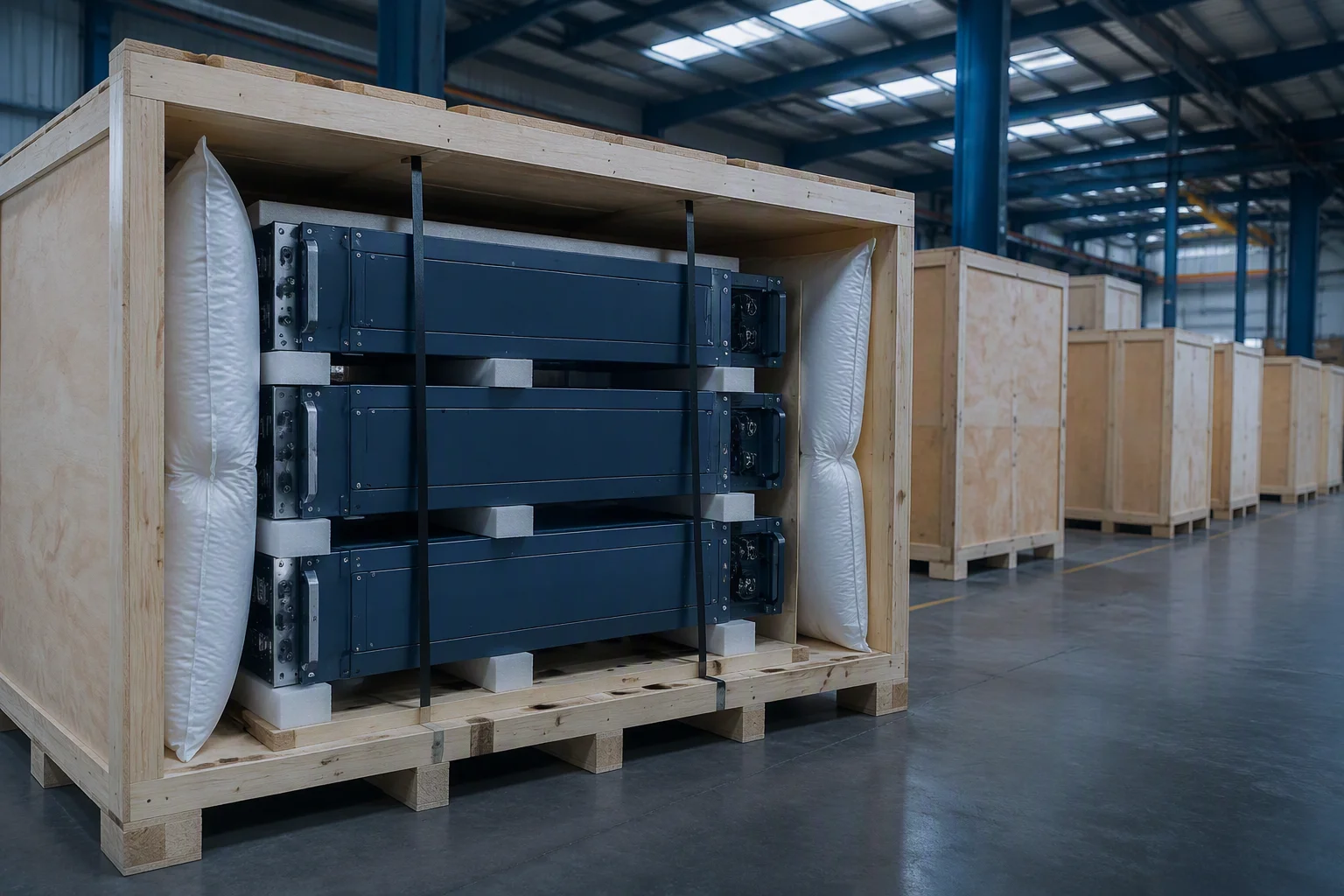
The UN 38.3 Documentation Set a Rack Battery Shipment Needs
Test Summary, MSDS, shipper's declaration, Class 9 paperwork — who issues each one, what it covers, and whether it is per shipment or per design. Plus the five document failures that hold a pallet at the freight counter.
Read note →
Hot-Swap BBU Cartridge Design: Connectors, Latches, Live Aisles
Sequenced contacts and pre-charge math for a 51.2V shelf, blind-mate float that absorbs the tolerance stack, latch retention that survives vibration and shock, and the six-step swap procedure for a row that stays online.
Read note →
Cell Grading and Matching for Rack Packs
A 16S string delivers what its weakest cell allows. Why capacity and internal-resistance windows beat an average spec, how a 10% resistance spread widens over cycles, and the batch records that answer field questions by serial number.
Read note →
LFP vs NMC for Rack Backup: Why LFP Dominates the BBU Shelf
Sixteen 3.2V cells land exactly on 51.2V; NMC needs its own BMS variant. Cycle life, thermal-runaway onset and cost per delivered cycle compared — and the three cases where NMC is still the right answer.
Read note →
Why GB300 Made BBU Standard Equipment for AI Racks
NVIDIA's GB300 NVL72 power supplies now carry integrated energy storage, smoothing rack draw by up to 30% — by Futurum's estimate — and putting batteries inside the reference design. What that shift means for anyone specifying backup power this year.
Read note →
NVIDIA's 800 VDC Architecture: What It Changes for Backup Power
The 800 VDC datacenter arrives with NVIDIA's 2027 Kyber racks, and ±400V shelves like Delta's 72 kW BBU already speak that bus. How bridging moves upstream — less copper, higher efficiency, a different battery form factor.
Read note →
UN 38.3, IEC 62619, UL 1973: The Compliance Map for Rack Batteries
Tested, designed, compliant, certified — four words with very different weight in a lithium tender. A plain-language map of what each standard actually documents, plus the Class 9 shipping paper chain.
Read note →One note a month. No filler.
We publish when something material changes — a standard revision, a rack architecture, a shipping rule. Need an answer before the next note? Ask an engineer directly.
PUBLISHED FROM SHENZHEN · SOURCED, NOT SPUN