
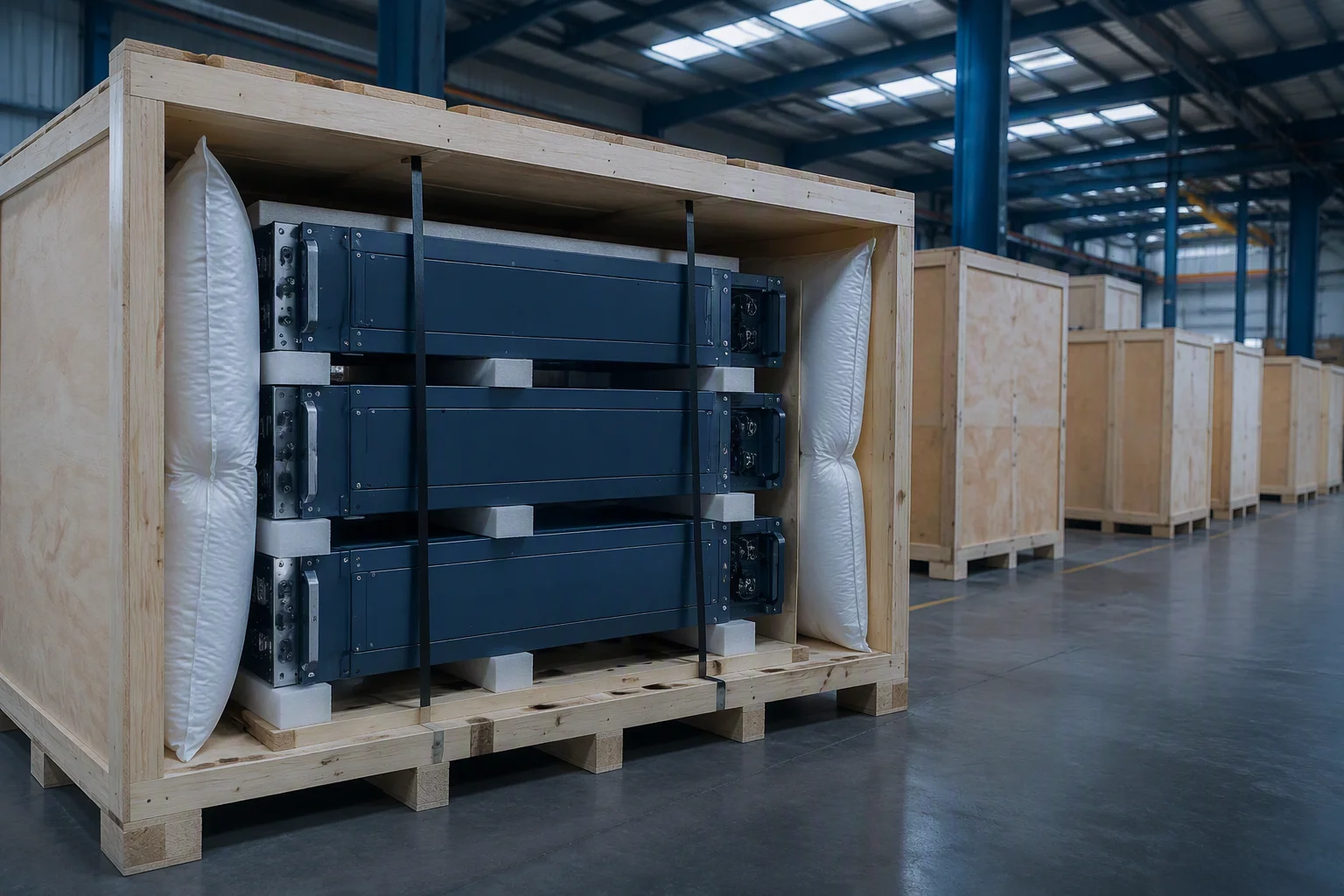
FIG.1 — EVERY SHIPMENT CARRIES THE PAPERWORK: TEST SUMMARIES, DECLARATIONS, CLASS 9 DOCS
UN 38.3 — the transport gate, not a quality mark
UN 38.3 is Section 38.3 of the UN Manual of Tests and Criteria: eight tests (T.1 altitude through T.8 forced discharge) that every lithium cell and battery must pass before it can be transported — by air, sea or road. Three facts get garbled in marketing copy. First, the UN does not "approve" or "certify" anything; the manufacturer tests and holds the documentation. Second, since 2020 a Test Summary must be provided on request, so there is no reason to accept a claim without one. Third, tests bind to a specific design — change the design and testing starts again.
Say: "cells are UN 38.3 tested; Test Summary available on request." Never say: "UN 38.3 approved."
IEC 62619 — the industrial safety workhorse
IEC 62619:2022 is the safety standard for secondary lithium cells and batteries in industrial applications — and its scope explicitly names the markets we sell into: fixed applications including telecom, UPS, electrical energy storage and emergency power. For rack backup sold outside North America, this is usually the core safety reference, typically evidenced through an IECEE CB scheme certificate issued by labs like TÜV, SGS or DEKRA. The correct phrasing depends entirely on what exists: "designed and tested to IEC 62619" describes engineering discipline; "IEC 62619 certified, CB certificate available" is only for products with the actual certificate.
UL 1973 and UL 9540A — the North American pair, two different animals
UL 1973 (third edition, 2022) covers batteries for stationary and motive auxiliary power applications — the standard North American AHJs and procurement teams reach for. A genuine UL 1973 listing is publicly searchable in UL Product iQ, which is exactly how you should verify any supplier's claim.
UL 9540A is not a certification at all. It is a test method — a thermal-runaway fire-propagation evaluation at cell, module, unit and installation level — that produces test data for authorities having jurisdiction under NFPA 855 and the IFC. Even major vendors write "UL9540A certification" in product literature; the accurate phrasing is "UL 9540A test report available."
| Standard | What it is | Correct phrasing | Wrong phrasing |
|---|---|---|---|
| UN 38.3 | Transport test, manufacturer-held | "UN 38.3 tested; Test Summary on request" | "UN approved / 38.3 certified" |
| IEC 62619 | Industrial lithium safety standard | "Designed & tested to IEC 62619" — or "certified" only with a CB certificate | Blanket "certified" with no certificate |
| UL 1973 | Stationary battery standard, listing in Product iQ | "UL 1973 certified (Product iQ: ...)" with a real listing; otherwise "certification path" | UL logo without a listing |
| UL 9540A | Thermal-runaway test method, produces data | "UL 9540A test report available" | "UL 9540A certified" |
| CE | Self-declaration under LVD/EMC directives | "CE marked; DoC available on request" | "CE certified / CE certificate" |
| EU 2023/1542 | Battery Regulation, phased from 2024 | "EU Battery Regulation ready; passport from 2027 (>2 kWh)" | Treating it as a test report |
"Certified" is a claim about a third-party document. If the document doesn't exist, the word doesn't ship. Everything else is "tested," "designed to," or "compliant" — and those claims should arrive with the shipment, not after the audit.
What travels with a VoltBridge shipment
Every order ships with the UN 38.3 Test Summary for the cell design, MSDS, Class 9 transport documentation (PI 965/966 for air, IMDG for sea) and CE declarations of conformity. Where a market requires more — UL 1973 listing, UL 9540A data — scope, cost and lead time are quoted per product rather than implied. Our FAQ shows the full phrasing we use, and our QC page documents what's tested in-house versus through accredited labs.
Sources
- UNECE — Manual of Tests and Criteria, Section 38.3 (multilateral agreement & Test Summary requirement)
- IEC Webstore — IEC 62619:2022 scope: safety requirements for industrial applications
- UL Standards & Engagement — ANSI/CAN/UL 1973 3rd edition (2022); UL Product iQ public search
- UL Solutions — UL 9540A Test Method description (data for AHJs under NFPA 855 / IFC)
- EUR-Lex — Directives 2014/35/EU & 2014/30/EU; Regulation (EU) 2023/1542 on batteries